






How Hyaluronic Acid Works on Different Skin Types
How Hyaluronic Acid Works on Different Skin Types
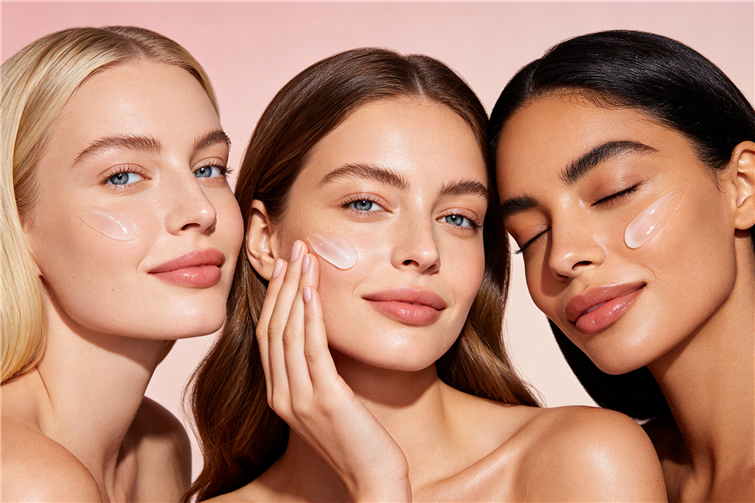
Hyaluronic acid (HA) has earned its reputation as a skincare staple, beloved for its ability to hydrate, plump, and support healthy skin. But one of its most impressive qualities is its versatility—unlike many skincare ingredients that cater to a specific skin type, HA works effectively across all skin types, from dry and sensitive to oily and acne-prone. The key to its universal appeal lies in its unique molecular structure and ability to adapt to the distinct needs of each skin type, addressing specific concerns while delivering core hydration benefits. Understanding how HA interacts with different skin types can help you maximize its effectiveness and tailor your skincare routine to achieve optimal results.
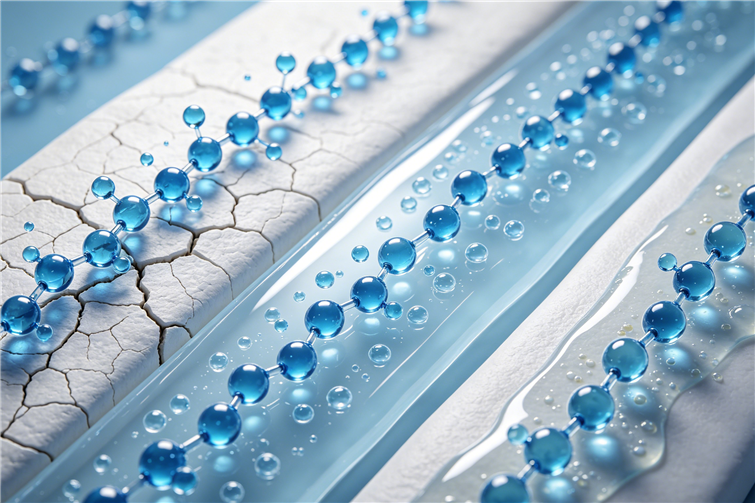
Let’s start with dry skin, a skin type that often struggles with dullness, flakiness, and tightness due to a lack of natural moisture. For dry skin, HA is a game-changer, thanks to its exceptional water-binding capacity—able to hold up to 1,000 times its own weight in water. Dry skin typically has a compromised skin barrier, which allows moisture to escape easily, leading to persistent dryness. When applied topically, HA penetrates the stratum corneum, delivering deep hydration to the inner layers of the skin where it’s most needed. It also helps to repair and strengthen the skin barrier by locking in moisture, reducing trans epidermal water loss (TEWL) and preventing further dryness. For dry skin, HA not only provides immediate relief from tightness and flakiness but also restores a healthy, dewy glow over time. To enhance its effects, dry skin types should pair HA with rich moisturizers or facial oils, which help seal in the hydration and provide long-lasting nourishment.
Next, oily skin—a skin type often misunderstood as “not needing hydration.” Contrary to popular belief, oily skin is often a result of the skin overproducing sebum to compensate for underlying dehydration. HA is ideal for oily skin because it delivers lightweight, non-greasy hydration that addresses the root cause of excess oil production without clogging pores. Its molecular structure allows it to absorb quickly into the skin, providing instant hydration without leaving a heavy or shiny residue. HA also helps to regulate sebum production by balancing the skin’s moisture levels—when the skin is properly hydrated, it doesn’t need to produce excess oil to protect itself. Additionally, HA’s gentle, non-comedogenic nature makes it safe for oily skin, as it won’t contribute to breakouts. Oily skin types should opt for lightweight HA serums or toners, which provide hydration without adding extra weight to the skin.
Sensitive skin is another type that benefits greatly from HA, as it is gentle, hypoallergenic, and free from harsh irritants that can trigger redness, itching, or inflammation. Sensitive skin often has a fragile skin barrier, making it prone to irritation from environmental stressors, skincare products, or even changes in temperature. HA helps to soothe and calm sensitive skin by strengthening the skin barrier, locking in moisture, and reducing irritation. Its ability to penetrate gently into the skin without causing friction or irritation makes it a safe choice for those with sensitive or reactive skin. HA also helps to reduce redness and inflammation by hydrating the skin and supporting its natural healing process. For sensitive skin, it’s best to choose HA products with minimal added ingredients—avoiding fragrances, alcohols, or artificial dyes—that could potentially irritate the skin.
Combination skin, which features both oily and dry areas (typically oily in the T-zone and dry on the cheeks), can be challenging to care for, but HA’s versatility makes it a perfect fit. For combination skin, HA works by balancing hydration across different areas of the face—providing lightweight hydration to the oily T-zone without adding excess oil, while delivering deeper hydration to the dry cheek area. It helps to normalize the skin’s moisture levels, reducing the contrast between oily and dry patches. Combination skin types can use HA serums all over the face, then follow with a lighter moisturizer on the T-zone and a richer moisturizer on the dry areas to tailor the hydration to each region. This approach ensures that every part of the face receives the right amount of hydration, resulting in a balanced, healthy complexion.
Acne-prone skin is often hesitant to use hydrating ingredients, fearing they will clog pores or worsen breakouts. However, HA is non-comedogenic, meaning it won’t clog pores, and it can actually help improve acne-prone skin by addressing underlying dehydration. Many people with acne-prone skin over-cleanse or use harsh products that strip the skin of its natural oils, leading to dehydration and increased sebum production—creating a cycle of breakouts. HA provides gentle, non-irritating hydration that helps to balance the skin’s moisture levels, reducing the need for excess sebum production. It also helps to soothe inflammation associated with acne, promoting faster healing of breakouts. Acne-prone skin types should look for HA products that are lightweight and oil-free, and pair them with non-irritating, acne-fighting ingredients like salicylic acid or niacinamide for optimal results.
It’s important to note that while HA works for all skin types, the way you use it can be tailored to your specific needs. The molecular weight of HA also plays a role in how it interacts with different skin types: low-molecular-weight HA (LMWHA) penetrates deeper, making it ideal for dry or sensitive skin that needs deep hydration; high-molecular-weight HA (HMWHA) sits on the skin’s surface, forming a protective barrier, which is great for oily or acne-prone skin that needs lightweight hydration and protection. Many high-quality HA products combine multiple molecular weights to deliver comprehensive benefits across all skin types.
In conclusion, hyaluronic acid’s adaptability makes it a universal skincare ingredient that works effectively on every skin type. Whether you have dry, oily, sensitive, combination, or acne-prone skin, HA can address your specific concerns by delivering targeted hydration, strengthening the skin barrier, and promoting a healthy, balanced complexion. By understanding how HA works with your skin type and tailoring your usage to your needs, you can unlock its full potential and achieve softer, smoother, more radiant skin. No matter your skin type, adding hyaluronic acid to your daily skincare routine is a simple, effective way to support long-term skin health.
Related Posts
How Hyaluronic Acid Works on Different Skin Types
May 08, 2026